I finally finished and published my latest novel, SWAP. As intended, I used the Save the Cat method to outline it. Here is everything I learned about the method, how the individual beats work, and how I used them to structure the novel.
What Is the Save the Cat Outlining Method?
Save the Cat is a story-structure and outlining method originally developed by screenwriter Blake Snyder. It divides a story into 15 major “beats” that should occur at roughly specific points in the story. Although the method was originally designed for screenplays, it works surprisingly well for novels because it gives you a clear framework without requiring you to know every scene before you start writing.
The percentages below are approximate positions in the story. They are not strict rules. Think of them as landmarks that help you determine whether your story is moving at the right pace.
1. Opening Image — 0–1%
The Opening Image introduces the protagonist and shows us what their world looks like before the main story begins. It establishes the tone, setting, and often the protagonist’s ordinary life. Ideally, it also gives us a visual or thematic snapshot of the person the protagonist is at the beginning of the story.
It is useful to think of the Opening Image as the “before” picture. By the end of the novel, the reader should be able to compare it with the Final Image and see how much has changed.
2. Theme Stated — Around 5%
The Theme Stated is where the central theme or lesson of the story is hinted at. Usually, another character tells the protagonist something that they don’t fully understand or accept yet.
The important part is that the protagonist doesn’t necessarily recognize the significance of the statement. The story will spend the rest of the novel proving, challenging, or developing this idea.
3. Setup — 1–10%
The Setup establishes the protagonist’s world, relationships, problems, strengths, weaknesses, and goals. It introduces the people and circumstances that will become important later.
Most importantly, the Setup should establish what is missing from the protagonist’s life. What do they want? What do they need? What is keeping them from getting it? These questions create the foundation for the transformation that follows.
4. Catalyst — 10%
The Catalyst is the event that disrupts the protagonist’s ordinary life. Something happens that makes it impossible for the story to continue as it did before.
The protagonist may receive an opportunity, suffer a loss, discover a secret, meet someone, or face a sudden threat. Whatever the event is, it creates the central problem of the story.
5. Debate — 10–20%
The protagonist reacts to the Catalyst and considers what to do next. This is the “Should I or shouldn’t I?” section of the story.
The Debate is important because the protagonist shouldn’t simply accept the new situation without resistance. They need a reason to hesitate, doubt themselves, or look for an alternative. This section builds tension before the protagonist finally commits to the story.
6. Break Into Two — Around 20%
At Break Into Two, the protagonist makes a decision and enters the “upside-down world” of Act Two. They have crossed a threshold and cannot simply return to their old life.
This is one of the most important beats because it represents the protagonist actively choosing to pursue the story rather than merely reacting to events.
7. B Story — Around 22%
The B Story introduces a secondary storyline, often involving a relationship or character who helps develop the protagonist’s emotional or thematic journey.
In many stories, this is a romance, friendship, mentorship, or partnership. The B Story often carries the Theme Stated idea and eventually helps the protagonist understand what they actually need.
8. Fun & Games — 20–50%
This is the section where the premise of the story is explored. It is often the part readers came for.
If your novel is about a character becoming a spy, for example, this is where we get to see them being a spy. If it is about surviving on another planet, this is where we experience the challenges of surviving there.
“Fun & Games” doesn’t necessarily mean that the story has to be funny. It means delivering the central promise of the premise.
9. Midpoint — Around 50%
The Midpoint is a major turning point that changes the direction of the story. It is often a false victory or false defeat.
The stakes usually become higher, and the protagonist’s situation becomes more serious. The Midpoint should make the reader feel that the story has entered a new phase.
10. Bad Guys Close In — 50–75%
After the Midpoint, pressure begins to increase. External antagonists become more dangerous, but internal problems can also become more significant.
The protagonist’s plans start falling apart. Relationships may deteriorate, enemies may gain ground, and the consequences of earlier decisions become unavoidable.
11. All Is Lost — Around 75%
The All Is Lost moment is the protagonist’s lowest point. Something happens that makes success appear impossible.
Often, this beat mirrors or directly contrasts with the protagonist’s original problem. A character who wanted to gain everything may lose everything. A character who wanted to save someone may fail to do so.
12. Dark Night of the Soul — 75–80%
The protagonist reacts to the All Is Lost moment. They have lost their previous solution and don’t yet know what to do next.
This is the emotional low point of the story. The protagonist reflects on what has happened and, ideally, finally begins to understand the lesson or theme that they have been resisting.
13. Break Into Three — Around 80%
The protagonist finds a new solution by combining what they have learned from the A Story and B Story.
This is the transition into the final act. Instead of simply trying harder using their old approach, the protagonist now approaches the problem differently because they have changed.
14. Finale — 80–99%
The protagonist puts the new understanding into action. The major conflict is resolved, the antagonist is defeated or overcome, and the questions established throughout the story are answered.
A good Finale should demonstrate the protagonist’s transformation rather than merely telling the reader that they have changed.
15. Final Image — 99–100%
The Final Image is the “after” picture. It should echo the Opening Image in some way while showing how the protagonist or their world has changed.
A strong Opening Image and Final Image create a satisfying sense of completion. They don’t have to be literally similar, but the contrast should communicate the character’s journey.
15 Plot Points for a 60K Word Novel
For a 60,000-word novel, the percentages translate roughly into these positions:
| Beat | Approx. position | Approx. word count |
| Opening Image | 0–1% | 0–600 |
| Theme Stated | ~5% | ~3,000 |
| Setup | 1–10% | 600–6,000 |
| Catalyst | 10% | ~6,000 |
| Debate | 10–20% | 6,000–12,000 |
| Break Into Two | 20% | ~12,000 |
| B Story | 22% | ~13,200 |
| Fun & Games | 20–50% | 12,000–30,000 |
| Midpoint | 50% | ~30,000 |
| Bad Guys Close In | 50–75% | 30,000–45,000 |
| All Is Lost | 75% | ~45,000 |
| Dark Night of the Soul | 75–80% | 45,000–48,000 |
| Break Into Three | 80% | ~48,000 |
| Finale | 80–99% | 48,000–59,400 |
| Final Image | 99–100% | 59,400–60,000 |
15 Plot Points Exemplified on Star Wars: A New Hope
Star Wars: A New Hope is an excellent example of the Save the Cat structure, as everyone knows the movie:
Opening Image: We see the vastness of space and the Imperial Star Destroyer pursuing Princess Leia’s smaller ship. The story immediately establishes the world and its conflict.
Theme Stated: Luke’s desire to leave Tatooine and pursue a larger life introduces the central idea of growing beyond his limited worldview.
Setup: We meet Luke, his aunt and uncle, Obi-Wan, R2-D2, C-3PO and the wider world of Tatooine. Luke wants adventure but is stuck on his home planet.
Catalyst: Luke discovers the message from Princess Leia hidden inside R2-D2.
Debate: Luke initially doesn’t want to get involved. After the destruction of his home and the death of his aunt and uncle, however, staying is no longer possible.
Break Into Two: Luke leaves Tatooine with Obi-Wan.
B Story: Luke’s relationship with Obi-Wan becomes central to his development.
Fun & Games: Luke enters the larger Star Wars universe, visits the Mos Eisley cantina, meets Han Solo and Chewbacca, and travels aboard the Millennium Falcon.
Midpoint: The Millennium Falcon arrives at the Death Star, where Luke discovers that Princess Leia is being held prisoner. The story shifts from escape and discovery toward direct confrontation with the Empire.
Bad Guys Close In: The heroes rescue Leia but are trapped aboard the Death Star. Stormtroopers pursue them, and Obi-Wan confronts Darth Vader.
All Is Lost: Obi-Wan is killed by Vader. Luke loses his mentor just when he needs him most.
Dark Night of the Soul: The heroes escape, but the Death Star is still operational and the Rebellion is facing overwhelming odds.
Break Into Three: Luke combines Obi-Wan’s teachings with his own abilities and trusts the Force rather than relying entirely on technology.
Finale: The Rebel fighters attack the Death Star. Luke uses the Force to make the decisive shot and destroys it.
Final Image: Luke stands victorious during the medal ceremony. Compare this with the isolated young man dreaming of leaving Tatooine in the Opening Image: he has become the hero he wanted to be.
15 Plot Points Used for My Novel SWAP — Includes Spoilers
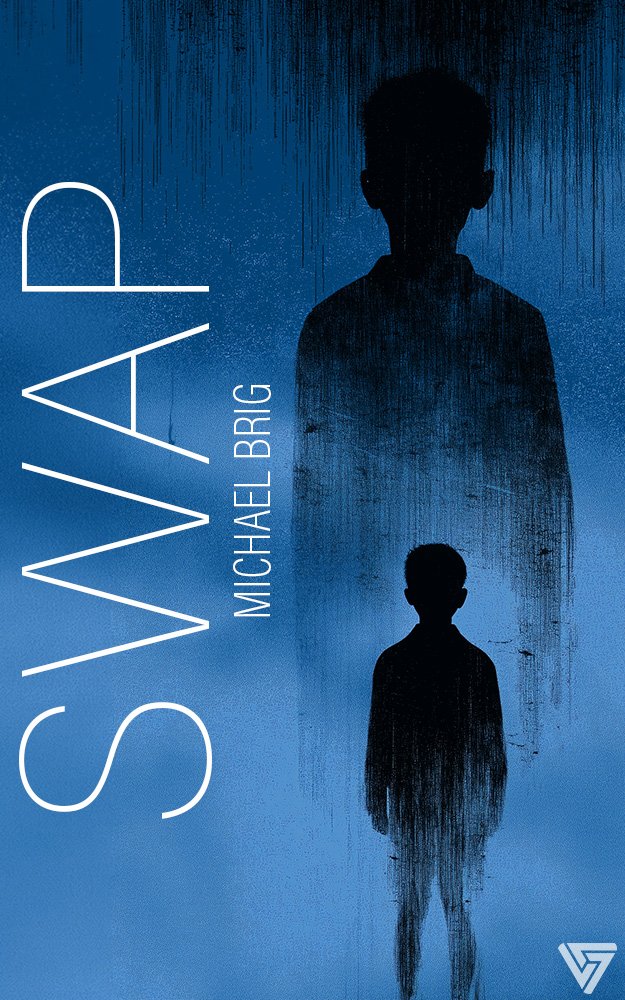
Opening Image: Introduction of the main protagonist, Dan Carter, his friend Ray, and his typical everyday life.
Theme Stated: This happens directly in Chapter 1, when the two working-class men talk about wanting their children to have a better life. What are they willing to do to make that happen? The answer the novel gives is: all that is necessary.
Setup: I like to throw the reader into the action as quickly as possible. Thus, the Setup consists of the Opening Image and Theme Stated for me.
Catalyst: At the end of Chapter 1, the Catalyst is the message that Dan’s son has been kidnapped. Again, I like to throw the reader into the action quickly, which is why the Catalyst happens at around 2% of the story in SWAP.
However, another Catalyst changes the story at around 10%: the first swap, when the kidnappers release “the wrong boy.”
Debate: Dan mostly debates with the world during this phase. Who can help him get his son back? The answer increasingly becomes: “No one but himself.”
Break Into Two: When Dan realizes that he can’t rely on the police or the FBI to bring his son back, he reaches out to everyone who could potentially help. Debate and break into two is somewhat mixed.
B Story: The B Story is actually Dan’s mother being in a coma. There is no romance subplot in the story.
Fun & Games: This section explores Dan’s new “world.” Who can help him get the money? How can he deliver it? Can he find the kidnappers? Or can Dan negotiate with them directly?
Midpoint: The major turning point is Dan’s realization that he will never get the money.
Bad Guys Close In: The pressure increases when the bad guy demands that Dan sacrifice his own life to save his son’s.
All Is Lost: The Low Point and Bad Guys Close In happen in the same scene. It starts with the death of Dan’s mother, which symbolizes that his old life is over—with no chance of bringing it back. All Is Lost when Dan agrees to have his organs harvested in exchange for the money needed to save his son.
Dark Night of the Soul: The emotional low point starts with the Death of his mother and leads directly to the organ harvesting scene.
Break Into Three: The next major shift in the story happens when Dan notices the connection between the kidnappers and his ex-wife’s new boyfriend. This marks the transition from Dan being a reactor to his circumstances to becoming an actor who actively determines the outcome himself.
Finale: Dan sets up the final encounter with the main villain and prepares a trap during the second swap. He dies a hero’s death to save his son. The ultimate sacrifice is made, as foreshadowed in the first chapter.
Final Image: Once the peak of your story has been reached, you are on borrowed time. The reader is already on their way out. Therefore, I kept the Final Image short and hopeful, with Ray taking Dan’s son to a World Series baseball game. The final home run rounds out the happy image.
Free Resources to Learn the Method
- How to Write Your Novel Using the Save the Cat Beat Sheet
- Excel Beat Sheet (Download Link)
- Beat Sheet (PDF Link)
- Save The Cat! Beat Sheet Analysis of Popular Movies
Mistakes People Make When Using the Save the Cat Method
1. Don’t use the outline as a strict rule. You can bend, expand, or shorten any plot point. If it helps the story, you can even omit one. The outlining method should be seen as training wheels. Only use them for as long as they help you. Get rid of them when they don’t.
2. Trying to force every story into exactly 15 beats. The beats describe common story functions; they don’t have to occur with mathematical precision.
3. Confusing beats with scenes. A beat can consist of several scenes, while a single scene can sometimes accomplish multiple beats.
4. Focusing too much on percentages. Knowing that the Midpoint should occur around 50% is useful, but moving it to 47% or 53% won’t destroy your novel.
5. Ignoring character development. Save the Cat is not just a sequence of external events. The protagonist can change – sometimes he even has to.
6. Outlining everything before understanding the story. The beat sheet is a tool for discovering the story, not a replacement for understanding your characters, premise, conflict and theme.
Simple Save the Cat Checklist to Use
After completing your outline, ask yourself:
- Is the protagonist clearly introduced?
- Is the protagonist’s ordinary world established?
- Is the central theme hinted at early?
- Does something significant disrupt the protagonist’s life?
- Does the protagonist have a reason to hesitate before committing?
- Does Break Into Two represent a meaningful decision?
- Is there a B Story that supports the main story?
- Does the middle deliver the central promise of the premise?
- Does the Midpoint significantly change the stakes?
- Do the problems become progressively worse after the Midpoint?
- Is there a genuine All Is Lost moment?
- Does the protagonist learn or understand something during the Dark Night?
- Does the Finale demonstrate the protagonist’s transformation?
- Does the Final Image contrast with the Opening Image?
- Does the entire outline form a logical cause-and-effect chain?
If most of these questions can be answered with “yes,” you’re probably on the right track.
Is the Save the Cat Novel Worth It?
To prepare for writing SWAP, I read Save the Cat! Writes a Novel by Jessica Brody. It’s a good read that collects the information in an easy-to-digest way. The first third explains the method, and then the book provides examples showing how the beats work in different types of stories.
If you’re looking for an easy reference that goes a bit deeper than my free guide and the resources linked to, get the book — it’s worth it.
To Conlcude
If you don’t know where to start when writing a novel, the method is an easy-to-use tool that may help. Don’t use it as gospel, though. Start outlining your novel with the 15 plot points, and if you feel like mixing things up afterwards and even erasing entire points, do exactly that. In the end, your story is yours. Thus, your feelings should determine what is right and wrong to do with it.