Get My Latest Short Story Turing-Test for Free (STORY52 No. 13)

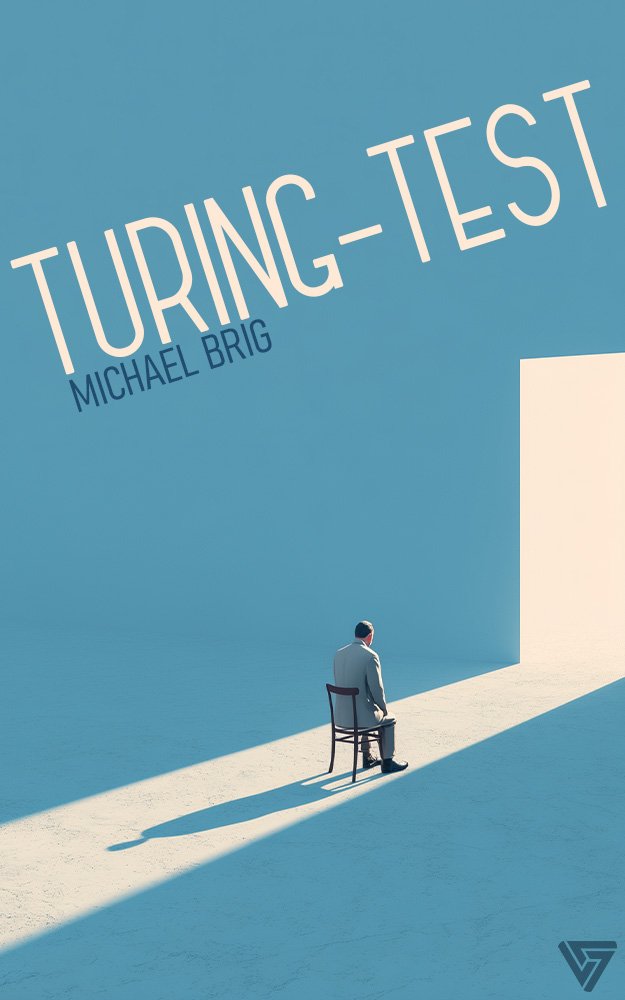
Another Monday, another free short story book from me. Turing-Test is available in German and English until Friday. You can get a copy here:

US | https://www.amazon.com/dp/B0GM7B7N1C
DE | https://www.amazon.de/dp/B0GM796L1M
Synopsis:

No one has ever passed the test. Even today, the two supervisors are certain that no one will succeed. But then a subject gives answers that no machine should be capable of knowing …

An existential sci-fi short story, approximately 1,200 words long.

As always, please leave me a review if you liked the story, thanks.
A Lesson from Star Trek: The Next Generation

Netflix recently canceled The Abandons. I haven’t seen the show yet, but I was excited about the premise and the people involved, so I added it to my watchlist to give it a try soon.

It seems the series ends on a cliffhanger, and since Netflix has already announced the cancellation, we’ll never get a resolution—just like with so many other streaming shows.

What Netflix doesn’t seem to understand is a basic lesson of storytelling: sometimes a story needs time to develop. That applies to the world, the plot, and especially the characters.

Seinfeld, The Office, and even Breaking Bad needed a few episodes to find their tone—and their audience. The best example I can think of is Star Trek: The Next Generation.

The first season isn’t good. In fact, it’s bad compared to what the show eventually became. Luckily, the network didn’t pull the plug. In season two, the series experimented with a different tone and more philosophical ideas. By season three, it had established itself as an all-time great, delivering five years of sci-fi perfection.

The first season of The Simpsons wasn’t great either. But the network allowed the creators to experiment, and they went on to create one of the most successful and longest-running shows in TV history.

In short: Let stories develop.

Netflix produces a lot of trash. It would be better to focus resources on fewer projects and give creators the time and freedom to develop them properly.

And this is a general lesson for storytelling: if you have a premise you love, stick with it. Develop it year by year, book by book, issue by issue.

Sometimes greatness just needs some time to unfold.

Why the English Version of My Last Book Has Fewer Pages Than the German One

17 1 like rolling stone kindle cover

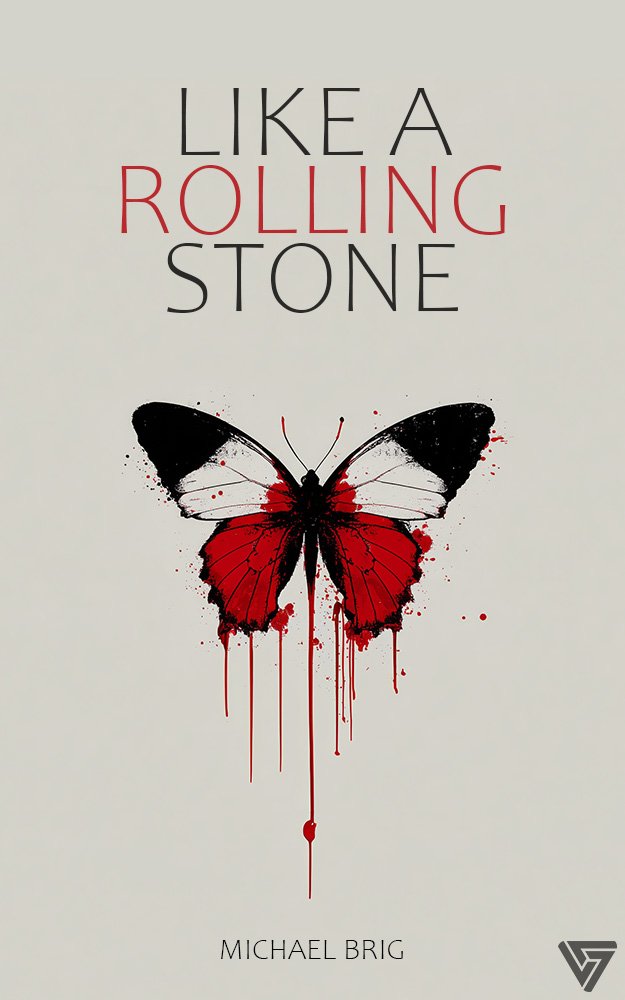
Whenever I translate my books, I notice the same thing: the English version always ends up with fewer pages than the German one. But this isn’t a matter of word count. In fact, the word count for my latest release (Like A Rolling Stone – US | DE) is quite similar:

  • German version: 79,793 words
  • English version: 79,210 words

The Print Copy

A difference of about 500 words equals roughly one DIN A4 page. In a paperback, that would amount to two or three pages. Yet the page count of the print editions differs significantly:

  • German: 420 pages
  • English: 350 pages

This discrepancy is mainly due to my decision to experiment with two different formatting styles. Fewer pages mean lower printing costs. At the same time, readers often check the page count before buying a book. A 200-page book priced at €15 feels very different from a 400-page book at the same price—and I think that as a reader too.

So it’s always a balancing act: finding a cost-efficient formatting style without underselling your word count. At the same time, you don’t want the font size to be too small or the margins too wide, as that would reduce reading comfort.

Personally, I think the English formatting works well. But if any of you readers disagree, feel free to let me know in the comments.

The Digital Copy

Beyond formatting, there’s another interesting difference. Here’s the page count for the digital editions:

  • German: 324 pages
  • English: 297 pages

If you didn’t know: for many file types, Amazon applies its own default formatting to ebooks. In my case, I uploaded both the English and German versions using the exact same formatting for the digital release. Still, the English version ends up with nearly 30 fewer pages—even though the word count is essentially the same.

The reason lies in the language itself. German words tend to be longer on average. Linguistically speaking, German makes heavy use of compound words and inflection. Here’s an example:

Versicherungsvertreter is a real German word meaning insurance agent.
Versicherungsvertreteragentur means insurance agent agency.
Versicherungsvertreteragentursteuerrückerstattung would be a tax refund for an insurance agent agency.

While there are many specific shorter English words, in German you simply combine smaller words to create that specific new one. That probably sounds strange to non-German speakers, but this is simply how my native language works.

When I asked ChatGPT about this, it estimated that word-for-word translations from German to English typically result in texts that are about 10% shorter in page length despite having the same word count due to these linguistic differences.

Conclusion

All of my future English books may have fewer pages, even though they have comparable word counts and contain exactly the same storylines and character arcs. It’s simply a translation effect that makes English books a bit shorter.

You Don’t Have to Buy My Short Story Books on Amazon

Yesterday, I saw a spike in sales for my short stories.

Thanks to everyone who bought a copy (or multiple) —but you don’t have to pay for these stories. I wrote the short story books to give them away for free. Unfortunately, Amazon only allows me to set them to free for five days at a time. If I could make them free for 365 days, I absolutely would.

The idea is to give you a free entry point into my storytelling. And if you enjoy my short fiction, you might be interested in checking out my long-form fiction—the “real” books I’ve written.

If you never want to miss a short story giveaway, just do this:

  • Add my website to your feed—I post short articles about book promotions whenever they go live
  • Subscribe to my mailing list—I send an email whenever a promo is live (and you’ll also get a free e-novel when you subscribe)
  • Follow me on Twitter—I post (and pin) a tweet for every book promotion

Sometimes people are simply kind and want to give something back in return for these stories. That’s cool and very much appreciated. However, my main goal is to build a long-term author–reader connection. The best way to do that is by me giving away everything that I can for free, and you following me through the options above—especially the mailing list.

So if you want to support me and give back, consider subscribing.

By the way, the next short story is ready for publication (and a free promo) on Monday. See you then. And thanks much more to everyone who thinks that my writing is worth your money.

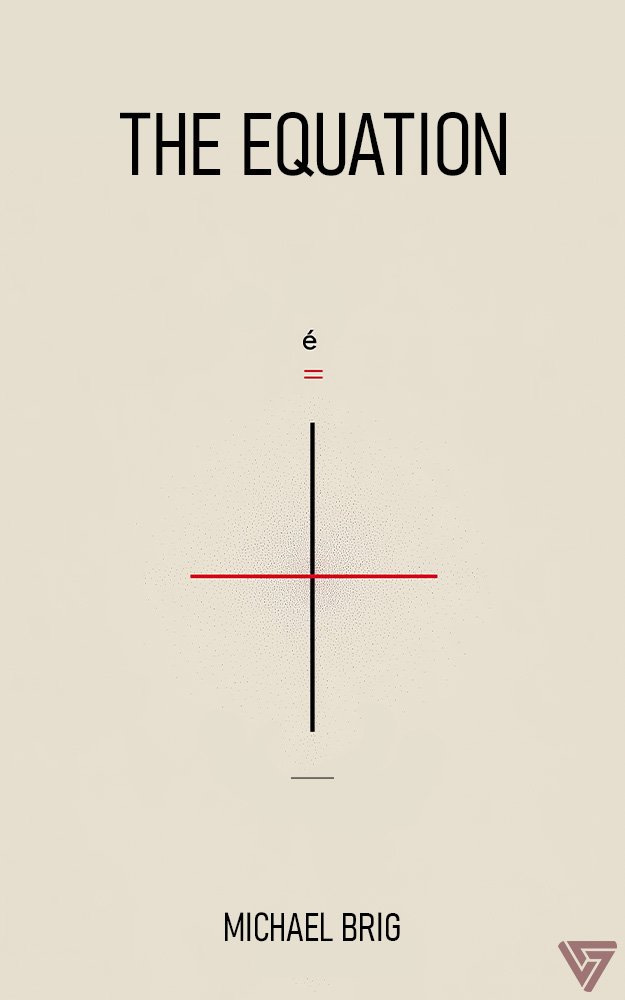
Get My Latest Short Story The Equation for Free (STORY52 No. 12)

Another week, another free short story from me on Amazon! Check out number 11 in my STORY52 project — it’s free starting today through Friday.

Synopsis:

A city. A formula. A truth that must not be discovered.

When Professor Harlan Sael alters an equation, reality begins to fracture. Houses vanish. People dissolve. And at the edge of the city waits something that should not exist.

The closer Harlan gets to the solution, the clearer it becomes: the equation doesn’t just describe the world — it defines it.

US Version | https://www.amazon.com/dp/B0GKVLSNBV
German Version | https://www.amazon.de/dp/B0GKW12184

As always, a review would be greatly appreciated — it helps me with Amazon’s algorithm.

See you next week,
BRIG